Endodontists · Taunton, MA

Advanced Root Canal Specialists

Gentle, expert root canal treatment, retreatment and endodontic surgery — from doctors with more than 60 years of combined experience.

Early mornings from 8:00 a.m. · Emergencies seen the same day

60+ yearscombined experience
8:00 a.m.early appointments
6:00 p.m.late afternoon appointments
24 hoursdoctors on call

What is endodontics?

Save your natural tooth

“Endo” is the Greek word for “inside” and “odont” is Greek for “tooth.” Endodontic treatment treats the inside of the tooth — and by choosing it, you keep your natural teeth as a healthy foundation for chewing and biting for years to come.

Endodontic Treatment

Likely, you’re reading this because your dentist has indicated that you need endodontic treatment or a root canal. By choosing it, you are choosing to keep your natural teeth for years to come.

More info →

Endodontic Retreatment

Occasionally, a tooth that has received a root canal fails to heal or continues to hurt. A specialist is best equipped to evaluate your circumstances and offer a second chance to save the tooth.

More info →

Endodontic Surgery

In a few cases, non-surgical treatment alone cannot save the tooth. Endodontists are experts in complicated procedures including surgery — talk with us about all options before considering extraction.

More info →

Root Canal Surgery (Apicoectomy)

An apicoectomy involves removing a small portion of the apex (tip) of a tooth root that has become infected by bacteria.

Learn more about root canal surgery →

Diagnosis of Tooth Pain & Sensitivity

If you are suffering from tooth pain or your teeth seem extra sensitive to temperature, touch, or sweet foods, we can help. The first step is an accurate diagnosis.

Learn more about tooth sensitivity →

Whitening Traumatized Teeth

Achieving an even shade of white can be challenging when a tooth has been injured. We can often achieve excellent results with internal bleaching.

Ask us about whitening →

Emergency Dental Treatment

If you have a life-threatening or severe injury, call 911 or go directly to the nearest hospital emergency room. We can treat severe tooth pain and a variety of traumatic dental injuries, including teeth that have been moved or knocked out entirely. Please call our office for assistance.

(508) 880-0801

To understand endodontic treatment, it helps to know something about the anatomy of the tooth. A soft tissue called pulp lies inside the tooth and under the white enamel or hard layer called the dentin. The pulp contains blood vessels, nerves, and connective tissue and creates the surrounding hard tissues of the tooth during development. The pulp extends from the crown of the tooth to the tip of the roots where it connects to the tissues surrounding the root. The pulp is important during a tooth’s growth and development. However, once a tooth is fully mature it can survive without the pulp, because the tooth continues to be nourished by the tissues surrounding it.

When endodontic treatment or root canal therapy is needed

Endodontic treatment is necessary when the pulp becomes inflamed or infected. The inflammation or infection can have a variety of causes: deep decay, repeated dental procedures on the tooth, or a crack or chip in the tooth. In addition, a blow to a tooth may have no visible chips or cracks. If pulp inflammation or infection is left untreated, it can cause pain or lead to an abscess. Signs of pulp damage include pain, prolonged sensitivity to heat or cold, discoloration of the tooth, and swelling and tenderness in the nearby gums. Sometimes, there are no symptoms.

Saving a tooth with endodontic treatment

The endodontist removes the inflamed or infected pulp, carefully cleans and shapes the inside of the tooth, then fills and seals the space. Afterwards, you will return to your dentist who will place a crown or other restoration on the tooth to protect and restore it to full function. After restoration, the tooth continues to function like any other tooth.

The procedure, step by step

Endodontic treatment can often be performed in one or two visits and involves the following steps:

  1. The endodontist examines and x-rays the tooth, then administers local anesthetic. After the tooth is numb, the endodontist places a small protective sheet called a “dental dam” over the area to isolate the tooth and keep it clean and free of saliva during the procedure.
  2. The endodontist makes an opening in the crown of the tooth. Very small instruments are used to clean the pulp from the pulp chamber and root canals and to shape the space for filling.
  3. After the space is cleaned and shaped, the endodontist fills the root canals with a biocompatible material, usually a rubber-like material called “gutta-percha.” The gutta-percha is placed with an adhesive cement to ensure complete sealing of the root canals. In most cases, a temporary filling is placed to close the opening. The temporary filling will be removed by your dentist before the tooth is restored.
  4. After the final visit with your endodontist, you must return to your dentist to have a crown or other restoration placed on the tooth to protect and restore it to full function. If the tooth lacks sufficient structure to hold the restoration in place, your dentist or endodontist may place a post inside the tooth. Ask your dentist or endodontist for more details about the specific restoration planned for your tooth.

Pain or discomfort during or after the procedure

Many endodontic procedures are performed to relieve the pain of toothaches caused by pulp inflammation or infection. With modern techniques and anesthetics, most patients report that they are comfortable during the procedure. For the first few days after treatment, your tooth may feel sensitive, especially if there was pain or infection before the procedure. In most cases, this discomfort can be relieved with over-the-counter or prescription medications. Follow your endodontist’s instructions carefully.

Your tooth will feel sensitive to biting pressure. This feeling is a result of the nerve endings in the tissue outside the end of the root where it was cleaned, irrigated and a filler or sealer material was placed. Also, you might feel a rough area where access was made by your endodontist. There is a soft, temporary material in that area, which may appear to wear away to some degree before your next dental visit.

Relieving discomfort afterward

Taking pain relief medication within one hour of leaving our office is recommended. Take all medication as prescribed by your doctor. If none was prescribed, standard over-the-counter pain relief medication should aid in any discomfort. Aspirin products are NOT advisable as they tend to increase bleeding from the treated area. Please take pain medications with soft food unless otherwise advised by your doctor or pharmacist.

Avoid chewing on your treated tooth, especially gum, candies, sticky or crunchy foods until the tooth has been restored with the crown or inlay as this could dislodge the temporary material and fracture the tooth. Your tooth may continue to feel slightly different from your other teeth for some time after your endodontic treatment is completed. However, if you have severe pain or pressure or pain that lasts more than a few days, call your endodontist.


With proper care, most teeth that have experienced endodontic (root canal) treatment can last as long as other natural teeth. In some cases, however, a tooth that has received endodontic treatment fails to heal or the pain continues. Occasionally, the tooth becomes painful or diseased months or even years after successful treatment. If your tooth has failed to heal or has developed new problems, you have a second chance. Another endodontic procedure may be able to save your tooth.

Why retreatment is necessary

As occasionally happens with any dental or medical procedure, a tooth may not heal as expected after initial treatment for a variety of reasons:

  • Narrow or curved canals were not treated during the initial procedure.
  • Complicated canal anatomy went undetected in the first procedure.
  • The crown or other restoration was not placed soon enough after the procedure.
  • The restoration did not prevent saliva from contaminating the inside of the tooth.

In other cases, a new problem can jeopardize a tooth that was successfully treated. For example:

  • New decay can expose the root canal filling material to bacteria, causing a new infection in the tooth.
  • A loose, cracked, or broken crown or filling can expose the tooth to new infection.

What to expect during retreatment

First, the endodontist will discuss your treatment options. If you and your endodontist choose retreatment, the endodontist will reopen your tooth to gain access to the root canal filling material. In many cases, complex restorative materials – crown, post, and core material – must be disassembled and removed to permit access to the root canals.

After removing the canal filling, the endodontist can clean the canals and carefully examine the inside of your tooth while searching for any additional canals or unusual anatomy that requires treatment. After cleaning the canal(s), the endodontist will fill and seal the canal(s) and place a temporary filling in the tooth. Post space may also be prepared at this time.

After the final visit with your endodontist, you will need to return to your dentist as soon as possible to have a new crown or other restoration placed on the tooth to protect and restore it to full function.

A root canal is necessary when the soft inner tissue, or “pulp,” of the tooth becomes inflamed or infected. This may happen as a result of deep decay, repeated dental procedures on the tooth, or a blow to the tooth. Endodontic treatment removes the damaged pulp. Then the tooth’s canals are cleaned and filled to help preserve the tooth. In a few cases, however, non-surgical treatment alone cannot save the tooth. In such a case, your dentist or endodontist may recommend surgery.

Why endodontic surgery is needed

  • Surgery may be used in diagnosis. If you have persistent symptoms but no problems appear on your x-ray, your tooth may have a tiny fracture or canal that could not be detected during non-surgical treatment. Surgery allows your endodontist to examine the root of your tooth, find the problem, and provide treatment.
  • Sometimes calcium deposits make a canal too narrow for the cleaning and shaping instruments used in non-surgical root canal treatment to reach the end of the root. If your tooth has this “calcification,” your endodontist may perform surgery to clean and seal the remainder of the canal.
  • Usually, a tooth that has undergone a root canal can last the rest of your life. However, in a few cases, a tooth may fail to heal — it may become painful or diseased months or even years after successful treatment. If this is true for you, surgery may help save your tooth.
  • Surgery may also be performed to treat damaged root surfaces or surrounding bone.

What is an apicoectomy?

The most common surgical procedure is called apicoectomy or root-end resection. Your endodontist may have to perform an apicoectomy when inflammation or infection persists in the bony area around the end of your tooth after a root canal procedure. In this procedure, the endodontist opens the gum tissue near the tooth to see the underlying bone and to remove any inflamed or infected tissue. The very end of the root is also removed. A small filling may be placed to seal the end of the root canal, and a few stitches or sutures are placed in the gum to help the tissue heal properly. Over a period of months, the bone heals around the end of the root.

Other types of endodontic surgery

Endodontists might perform other surgeries such as dividing a tooth in half, repairing an injured root, or even removing one or more roots. In very complex cases, a procedure called intentional replantation may be performed: a tooth is extracted, treated with an endodontic procedure while it is out of the mouth and then replaced in its socket. These procedures are designed to help you save your tooth. Your endodontist will be happy to discuss the specific type of surgery your tooth requires.

Patient care instructions following endodontic surgery

  • Avoid strenuous exercise for the remainder of the day. Smoking and alcohol consumption delay wound healing and should be avoided for 3 days following surgery. Physical exertion or heavy lifting should not be performed for 7 to 10 days after your surgery.
  • Apply an ice pack with firm pressure to your face directly over the surgical site, alternately 20 minutes on and 20 minutes off for 6 to 8 hours following your surgery. After 8 hours, the ice bag should not be applied. Frequent moist heat applications to your face are recommended on the second and third post-surgical days. To make an ice pack, fill one half of a zip-lock bag with water and the rest with 70% isopropyl (rubbing) alcohol, seal and then freeze.
  • Slight swelling and facial skin discoloration (bruising) may appear following surgery and will gradually disappear in a few days. Some oozing of blood from the surgical site is normal during the day and evening following the surgery. If actual bleeding occurs, please call the office.
  • Avoid manipulation of your facial tissues as much as possible. Do NOT raise your lip or retract your cheeks to look at the surgical site. Try to sleep on your back or away from the side on which your surgery was done. It is possible to tear loose the stitches accidentally, which will open the incision and substantially delay wound healing.
  • Maintain an adequate diet during the first 3 to 4 days following your surgery. Eat a soft or liquid diet such as nutritional supplements, mashed potatoes, pureed meats, cooked eggs, fruit juices, soups, etc. Avoid crunchy, hard or chewy foods such as crackers, toast, steak and the like until the sutures have been removed. Drink plenty of liquids.
  • Post-surgical discomfort should be minimal after the second day but the surgical site may remain tender and sore for 4 to 5 days. Please have your prescriptions filled as soon as possible and follow the directions on the labels. If you develop any unusual reactions (itching, rash, breathing difficulties, etc.), please stop taking the medication and call the office immediately.
  • Do NOT brush the surgical site for at least 10 days following the surgery. Do brush other parts of your mouth and use a warm salt rinse, if desired, after meals (1/4 to ½ teaspoon salt in an 8 oz. glass of warm water). Rinse with Peridex as directed beginning on the day after surgery.
  • Rest as much as possible the first 24 hours. Elevate your head with at least two pillows when lying or at bedtime. Sleep on your back or away from the surgical site.
  • The sutures (stitches) should be removed in 3 to 7 days to ensure proper healing. Make sure to return at the appointed time for removal.
  • Recall visits are necessary. These are short appointments that are very important to monitor the progress of healing. Recall appointments will be scheduled during the first few weeks following surgery and another appointment 6 months after surgery.

If any unusual symptoms develop, please contact the office for advice and instructions.

Parts of this content are provided courtesy of the American Association of Endodontists, Copyright 1996. For more information, visit aae.org.

A family together on a foggy beach

“If you ever need a root canal done, I would highly recommend Dr. Robert Passloff (Taunton, MA) without any hesitation. I’ve been very satisfied with all three root canals done by him. I’ve never had any problems. I find him to be not only highly competent and professional, but he’s very personable and makes you feel very comfortable during the whole procedure—and no pain. He’s very thorough and doesn’t rush like other doctors I’ve been to. Moreover his staff is wonderful, very courteous and professional. I would definitely recommend him to my family, friends—and you! Dr. Passloff was originally referred to me by my dentist, who sent his own mother to him.”

— Gil F.

Why patients choose ARCS

Our patients leave happy. Here’s why.

Advanced Root Canal Specialists (ARCS) is an area leader in endodontic treatment. The doctors at ARCS have more than 60 years of combined experience in root canal therapy, retreatments and endodontic surgery.

We’re gentle.

We know the last place most patients want to be is sitting in our chair undergoing a root canal. If treatment is needed, you’ll find the most gentle and considerate care possible. Our doctors and dental professionals are sensitive to your needs and concerns every step of the way.

We care.

In our ongoing surveys, patients express great satisfaction with our care. We take the time to answer every question and check on a patient’s progress after their procedure.

Technology, too.

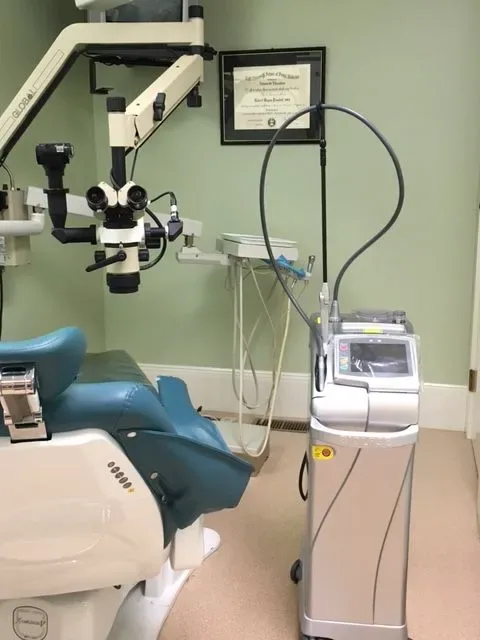
ARCS uses the best equipment available for gentle and accurate treatment, including the Biolase system. Our highly skilled doctors work with the best diagnostic and treatment technology on the market today.

Service comes first.

We go beyond the call of duty to make a visit as brief and pain-free as possible.

  • Early morning appointments starting at 8:00 a.m.
  • Late afternoon appointments starting at 6:00 p.m.
  • Doctors on call 24 hours a day
  • Emergencies seen the same day
  • Most insurance plans accepted and filed for patients
  • Mastercard, Visa, Discover, and CreditCare accepted

Meet the doctors

Highly skilled endodontic professionals

Advanced Root Canal Specialists (ARCS) is a collaboration of the most highly skilled endodontic professionals in the industry. Our diverse practice and team of talented doctors offer unparalleled academic training and expertise to benefit our varied patient needs.

Dr. Robert Passloff, DMD

Dr. Robert Passloff

DMD

“This practice is more than just a job to me; more than just a way to make a living. My career involves a lot of interaction with people, and that gives me tremendous satisfaction. Most of my patients are nervous, so I always take the time up front to explain what I will be doing, to relax them, and to give them an idea of what they can expect. That way, there are no surprises.”

Educated and educator

  • BA: Columbia College
  • DMD: Tufts University, Boston, MA
  • Endodontic Certification: Tufts University, Boston, MA
  • Clinical Instructor, Undergraduate Endodontics: Tufts University, Boston, MA
  • Attending Dentist: Brigham and Women’s Hospital, Boston, MA

Professional affiliations

  • American Dental Association
  • Massachusetts Dental Association
  • Southeastern Dental District
  • American Association of Endodontists

Research and publications

  • “Use of the Nd-Yag Laser in Endodontics,” Tufts University

Dr. Kevin A. Rubin

DMD

Education

  • BA: Brandeis University, Waltham, MA
  • DMD: Tufts University School of Dental Medicine, Boston, MA

Post-doctoral training

  • Endodontics: New York University College of Dentistry, New York, NY
  • General Dentistry: Brigham and Women’s Hospital, Boston, MA

Academic appointments

  • Clinic Fellow: Harvard University School of Dental Medicine, Boston, MA
  • Clinical Instructor: New York University College of Dentistry, New York, NY

Affiliations

  • American Dental Association
  • Massachusetts Dental Association
  • South Shore Dental District

Dr. Devika Kapoor

DMD

Education

  • BSc, Graduated with Distinction: McGill University, Montreal, Canada
  • DMD, Graduated Cum Laude: Harvard University School of Dental Medicine, Boston, MA
  • CAGS in Endodontics: Boston University, Goldman School of Dental Medicine, Boston, MA

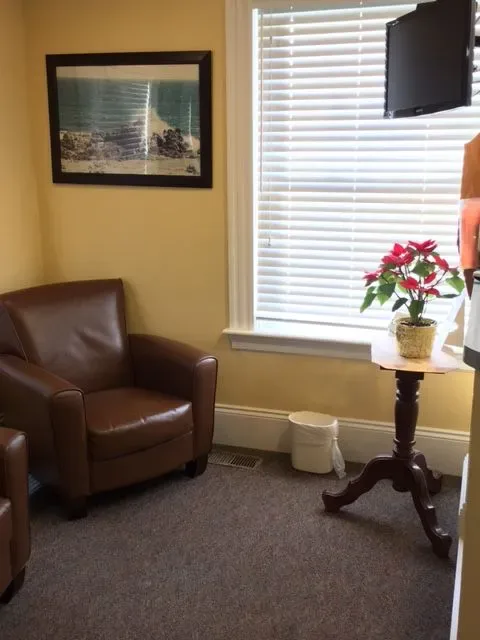
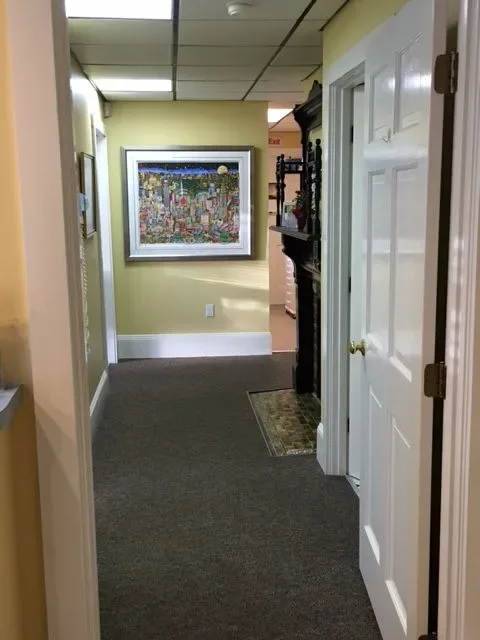
Our office

Comfort and convenience

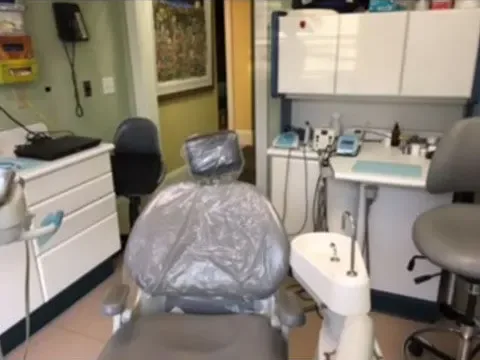
Comfort and convenience are the hallmarks of our office operations. Take a look inside — from our calm waiting room to a treatment room equipped with a surgical microscope and laser.

New patients

Your first visit

Your first visit to Advanced Root Canal Specialists of MA, PC involves a few special steps so that we can get to know you. Being well-prepared will ensure that the doctor has all the information needed to provide the best possible care, and will help relieve any unnecessary anxiety. Save some time by printing and completing the patient forms in advance of your appointment.

Mission statement

Our practice is working together to realize a shared vision of uncompromising excellence in dentistry. To fulfill this mission, we are committed to:

  • Listening to those we are privileged to serve.
  • Earning the trust and respect of patients, profession and community.
  • Exceeding your expectations.
  • Ensuring a creative, challenging and compassionate professional environment.
  • Striving for continuous improvement at all levels.

Patient forms

Please print and fill out these forms so we can expedite your first visit:

You’ll need a PDF reader such as Adobe Acrobat Reader to view or print these forms.

Payment & insurance

Most insurance plans are accepted and filed by ARCS. Our office personnel will secure authorization in advance of your procedure and handle pre-authorization. We accept Mastercard, Visa, Discover, and CreditCare. Please see the payment options form for our policies, and call with any questions.

Insurances we accept

Aetna · Ameritas · Assurant · Altus · BC BS of MA Indemnity · Cigna PPO · Delta Dental of MA (Premier, Preferred, NAGE, Teamsters Preferred, MPE Open & Closed) · Delta USA · Delta Care · DMS · Guardian · Humana · The Principal · MetLife · Mutually Preferred · United Concordia Elite

Not accepted: MassHealth/Tufts, Signature, Secure Horizons, Country Wide, Northeast Dental Plan of America.

The cost varies depending on how severe the problem is and which tooth is affected. Molars are more difficult to treat and usually cost more because they usually have multiple roots that must be treated. Most dental insurance policies provide at least partial coverage for endodontic treatment.

Generally, endodontic treatment and restoration of the natural tooth are less expensive than the alternative of having the tooth extracted. An extracted tooth must be replaced with a bridge or implant in order to restore chewing function and prevent adjacent teeth from shifting. These procedures tend to cost more than endodontic treatment and appropriate restoration.

Most insurance plans are accepted and filed by Advanced Root Canal Specialists (ARCS). Our office personnel will secure authorization in advance of your procedure and handle all insurance plans and pre-authorization. At the conclusion of your visit, we will send the claim forms in and advise you of any charges that may not be covered by your insurance carrier. Please check with your insurance plan regarding coverage levels for various treatments and procedures and any deductibles or co-payments that may be the personal responsibility of the patient.

You should not chew or bite on the treated tooth until your dentist has restored it. Quite often, a crown is fitted for the tooth. The unrestored tooth is susceptible to fracture, so you should see your dentist for a full restoration as soon as possible. Otherwise, you need only practice good oral hygiene, including brushing, flossing, and regular checkups and cleanings.

Most endodontically treated teeth last as long as other natural teeth. In a few cases, a tooth that has undergone endodontic treatment fails to heal or the pain continues. Occasionally, the tooth may become painful or diseased months or even years after successful treatment. Often when this happens, another endodontic procedure can save the tooth.

New trauma, deep decay, or a loose, cracked or broken filling can cause new infection in your tooth. In some cases, the endodontist may discover very narrow or curved canals that could not be treated during the initial procedure.

Most teeth can be treated. Occasionally, a tooth can’t be saved because the root canals are not accessible, the root is severely fractured, the tooth doesn’t have adequate bone support, or the tooth cannot be restored. However, advances in endodontics are making it possible to save teeth that even a few years ago would have been lost. And, when endodontic treatment is not effective, endodontic surgery may be able to save the tooth.

Request an appointment

To request appointment availability, please call the office. Emergencies are seen the same day.

(508) 880-0801

Contact us

Visit our Taunton office

Advanced Root Canal Specialists of MA, PC

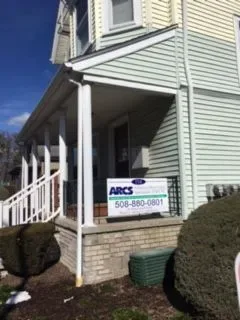
154 High Street
Taunton, MA 02780

(508) 880-0801

Fax: (508) 880-9180

Office hours

Monday10:00 am – 7:00 pm
Tuesday8:00 am – 5:00 pm
Wednesday9:00 am – 5:00 pm
Thursday8:00 am – 7:00 pm
Friday9:00 am – 4:00 pm
SaturdayClosed
SundayClosed
Office entrance at 154 High Street with ARCS sign

Is this your business? See the before & after →

This site is an independent promotional redesign built by Wicked Fast Web to demonstrate our work — it is not officially affiliated with, endorsed by, or paid for by the business shown here. No subscription or payment is attached. If you're the owner and have questions, want to make it official, or want it taken down, get in touch. Prefer to just grab time on my calendar? Book a 15-minute call.